
Mental Health Nurse
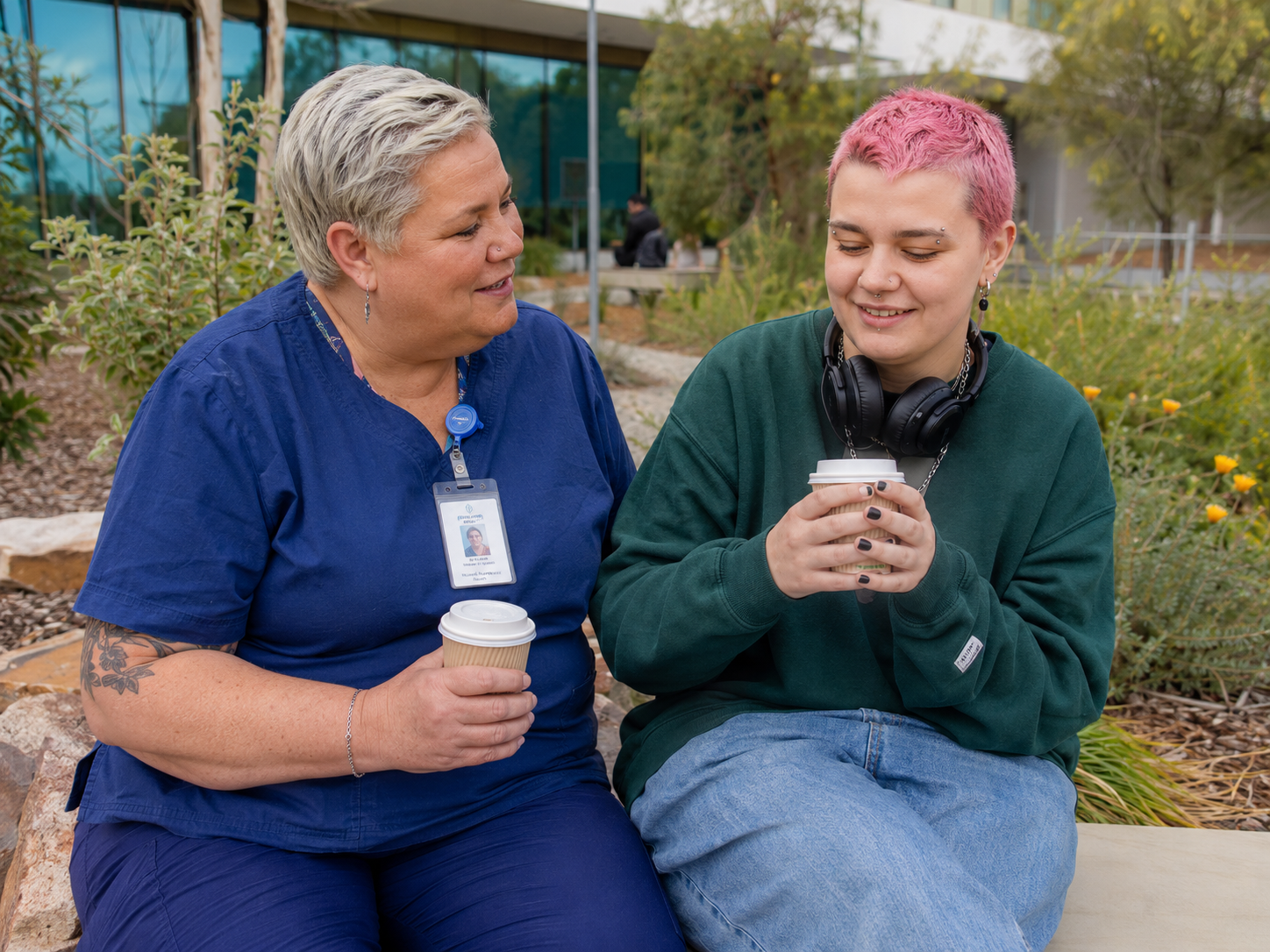
As a mental health nurse, you support individuals through some of their most challenging moments. Combining compassion, clinical expertise, and meaningful human connection.
If you like the idea of caring for both the physical and psychological well-being of people and want a career with purpose, impact, and the ability to change lives, mental health nursing could be the perfect path for you.
-
Mental health nursing is a specialised field focused on building therapeutic relationships and providing comprehensive care that addresses a person's physical, psychological, emotional, social, and spiritual well-being. It supports individuals of all ages facing mental health challenges, ranging from mild to severe, as well as issues related to substance use and crisis situations.
Mental health nurses create safe and supportive environments to encourage positive behavior change, recognizing the importance of social and environmental influences on health. Their practice integrates physical and mental health needs and includes expertise in medication management. In Australia, the Australian College of Mental Health Nurses outlines the standards and expectations for this specialty.
Most mental health nurses in Australia work for state or territory health services, but many transition into community roles, NGOs, private psychiatric hospitals, or self-employed practices, a trend that has grown with the expansion of telehealth services for rural and remote clients
-
Undergraduate
In Australia, a 3-year undergraduate nursing degree is required as a starting point to become a mental health nurse. On completion of this degree, a registered nurse may work clinically providing mental health care, but they are not professionally recognised as a mental health nurse. In accordance with the ACMHN, additional postgraduate education is required to be professionally recognised as a mental health nurse in Australia.
Nurses seeking to begin a career in mental health after graduation are encouraged to enter a New Graduate program offered through the public health system. These programs vary depending on the state and employing health service, but typically involve a 12‑month placement that provides structured support and mentorship while developing core mental health nursing skills. The optimum level of postgraduate qualification to be recognised as a MHN is a Graduate Diploma in mental health nursing, but may also include a Master’s degree in mental health nursing. It is important to note that postgraduate education must be nursing specific and that a Master’s in mental health will not meet the professional requirements for recognition as a mental health nurse.
After completing a Graduate Diploma in mental health nursing, nurses, regardless of whether they have undertaken a New Graduate program, become eligible to apply for Credentialling with the ACMHN.
Postgraduate
The first year of nursing practice is typically completed as a new graduate year, which provides in-house training, support, and education to develop the skills necessary to work in the mental health field (The Royal Melbourne Hospital, 2025).
As previously mentioned, further study is necessary for nurses seeking credentialing to become recognised as mental health nurses. During their work as a new graduate nurse, or at any other time in their career, registered nurses can initially complete a Graduate Certificate in Mental Health Nursing, then progress to a Graduate Diploma in Mental Health Nursing. Completion of a Graduate Certificate will allow for provisional recognition as a mental health nurse with the ACMHN through their credentialing process.
Once credentialled, the range of career options expands, allowing a mental health nurse to work in private practice and pursue further career advancement. Advanced roles include higher clinical roles such as Clinical Nurse Consultant, Nurse Practitioner, or senior nurse management or academic roles (Nursing and Midwifery Board Australia, 2024).
Clinical placement
During their undergraduate degree, nursing students will need to complete a minimum of 800 hours of work-integrated learning across a variety of clinical settings to support their future practice.
-
The Australian College of Mental Health Nurses (ACMHN) provides criteria for registered nurses to become credentialled and recognised professionally as mental health nurses. Nurses have the option of staging their learning as they work towards completing their credentialing process. For example, a new graduate may enrol in a Graduate Certificate in Mental Health Nursing, thereby becoming provisionally recognised as a mental health nurse. This starts the credentialing process, allowing for partial recognition as a mental health nurse. Nurses seeking full credentialing can then complete their Graduate Diploma either immediately or at a later date.
The credentialing process requires nurses to provide documented evidence of their professional development and education, as well as proof of their mental health nursing qualifications.
-
Mental health nursing offers clear career progression and significant diversity of roles as skills and knowledge advance. Once credentialed nurses have a greater opportunity to expand their scope of practice. This includes developing expertise to practice in primary healthcare settings or private psychiatric practices, or to establish their own private practice.
Medicare rebates for mental health nurses remain limited compared with those available to other mental health professionals and are currently excluded from the Better Access Initiative. Some Medicare rebates are, however, available for Credentialed Mental Health Nurses and Mental Health Nurse Practitioners (MHNPs). MHNPs are nurses who have achieved advanced clinical practice, completed an accredited master’s degree, and compiled a professional portfolio demonstrating their expertise and compliance with the Nurse Practitioner Standards for Practice set by the Nursing and Midwifery Board of Australia.
Medicare item numbers for patients with a Chronic Disease Management Plan written by a GP allow referral to a CMHN for specialised care
Mental Health Nurse Practitioners (MHNPs) are also eligible to claim Medicare rebates